
Hyundai Palisade (LX2): Tire Pressure Monitoring System / TPMS Receiver
Description and operation
| Description |
TPMS Receiver : BCM(body control module) integrated management
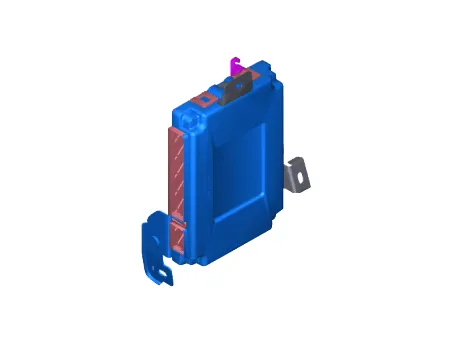
| 1. |
Mode
|
| 2. |
Overview
|
| Operation |
| 1. |
General Function
|
| 2. |
General Conditions to Learn New Sensors:
|
| 3. |
General Conditions to Un-Learn a sensor that is removed :
|
Repair procedures
| Replacement |
[TPMS Receiver (integrated Body control Unit (IBU))]
| 1. |
Turn the ignition switch OFF and disconnect the battery negative (-)
cable.
|
| 2. |
Remove the glove box.
(Refer to Body - "Glove Box")
|
| 3. |
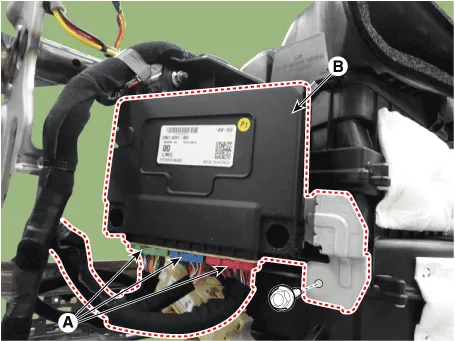
Disconnect the body control module connectors (A) and then remove the
integrated body control unit (B).
|

| 4. |
Install in the reverse order of removal.
|
| 5. |
After replacing the receiver, learn by using self-diagnostic device
GDS.
|
| Diagnosis procedure by using diagnostic device |
The main contents of diagnostic method using diagnostic device are as follows:
| 1. |
Connect self-diagnosis connector (16 pins) located in the lower driver
side crash pad to self-diagnosis device, and then turn on the self-diagnosis
device after key is ON.
|
| 2. |
Select the "vehicle model" and "TPMS" on GDS vehicle selection screen,
then select OK.
|
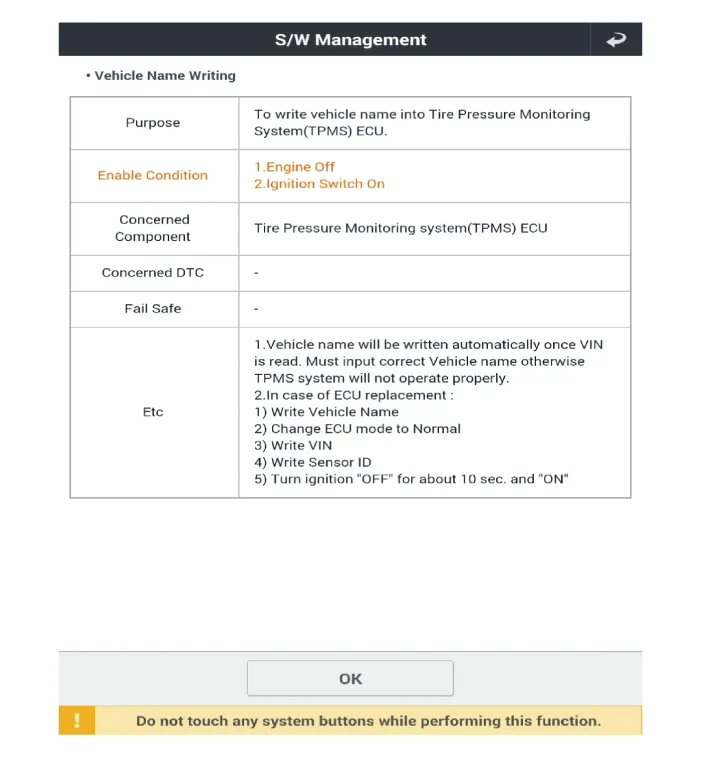
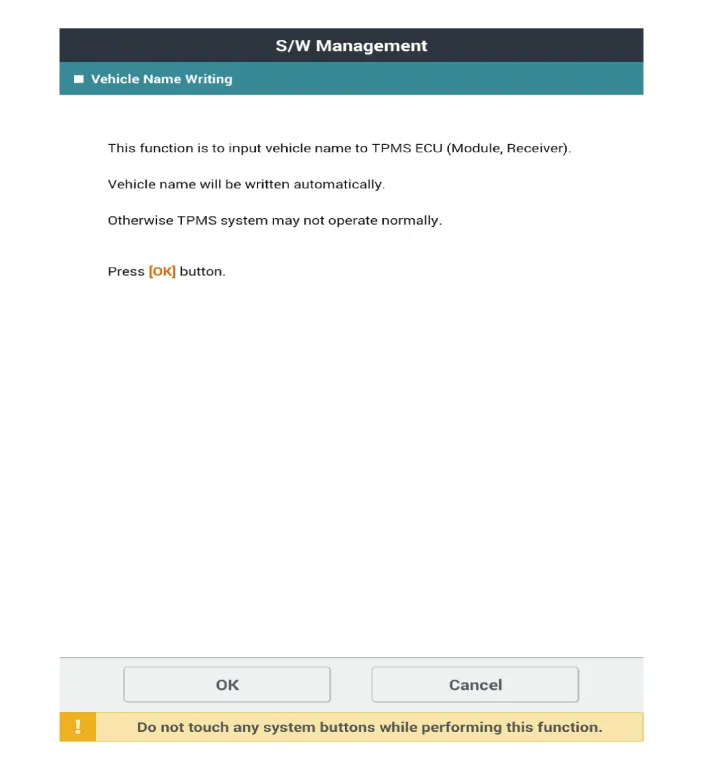
[Vehicle Name Writing Method]

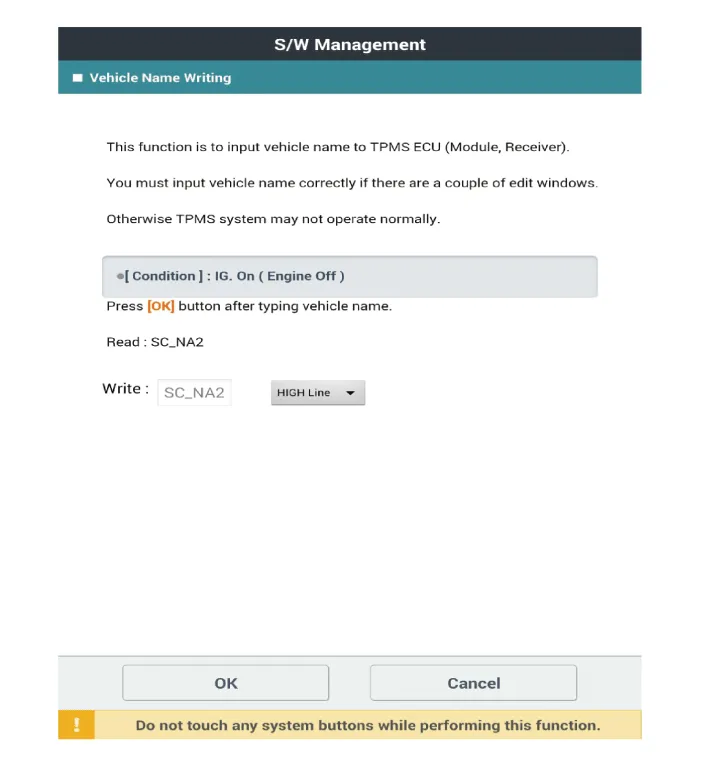
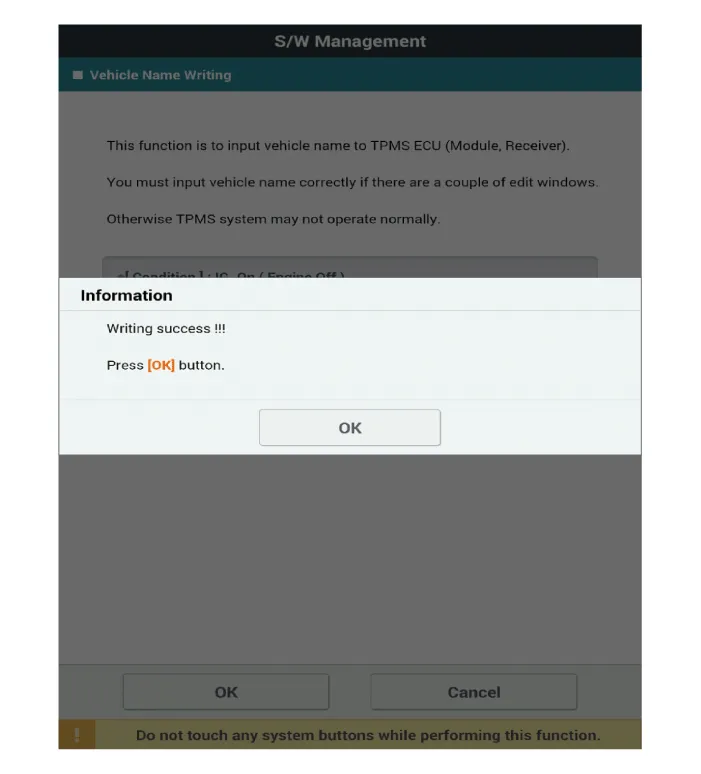
[Wheel Sensor ID Writing Method]
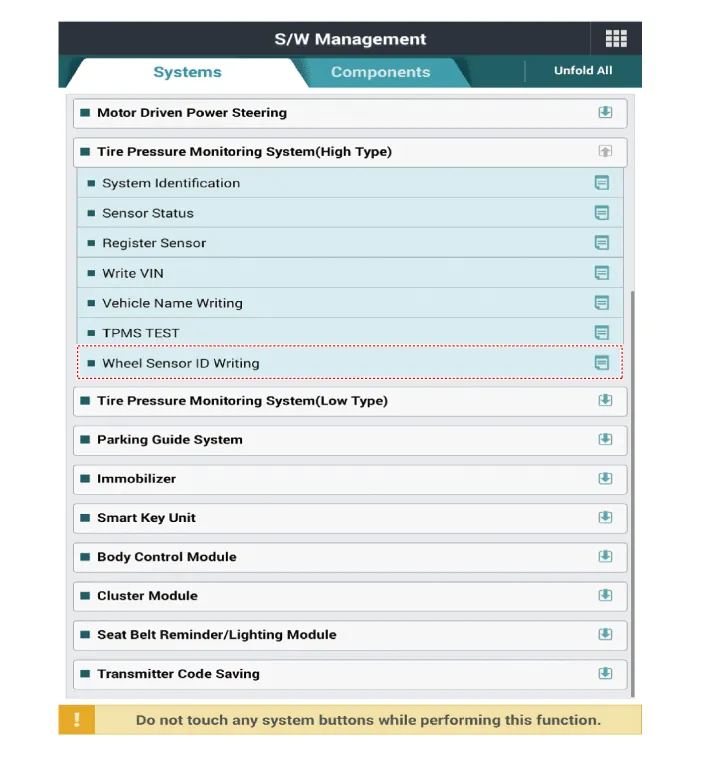
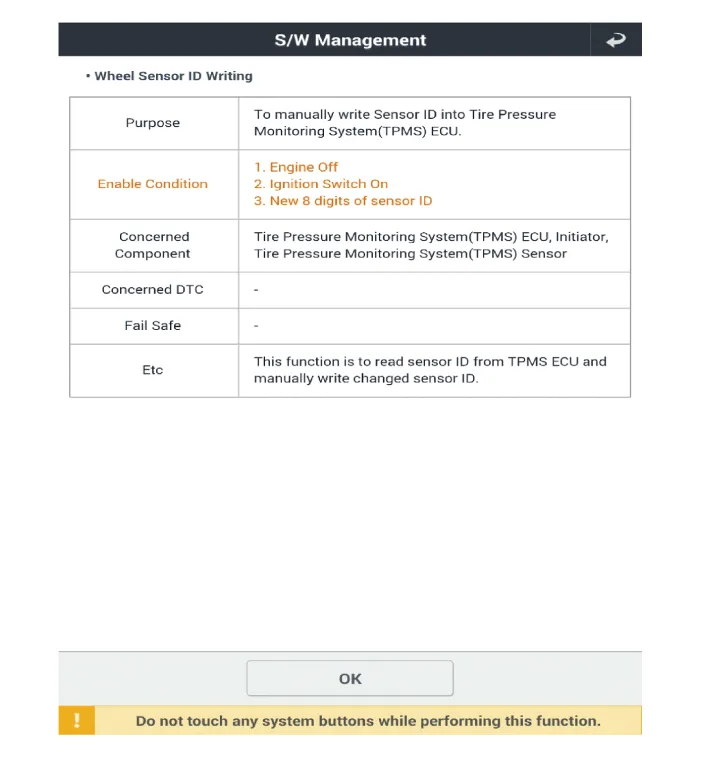

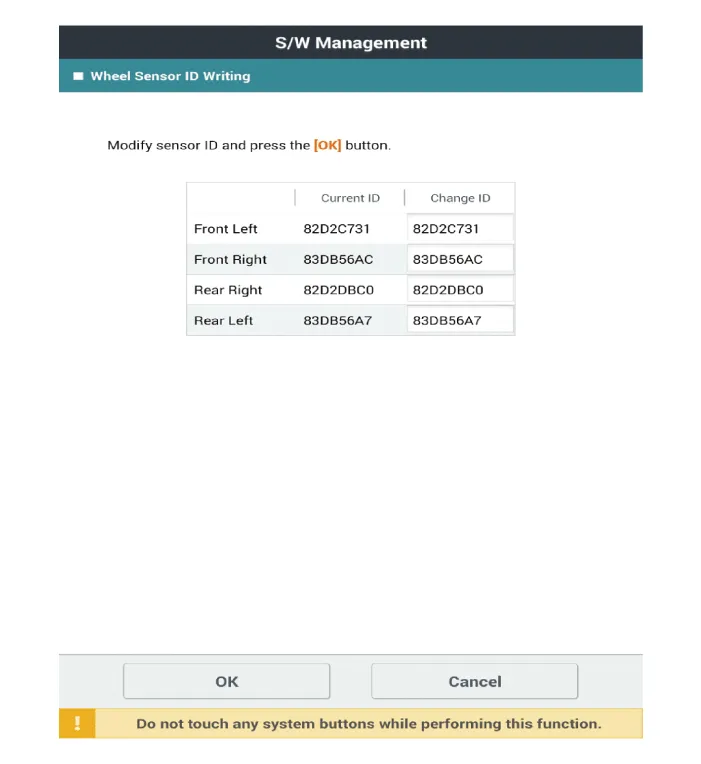
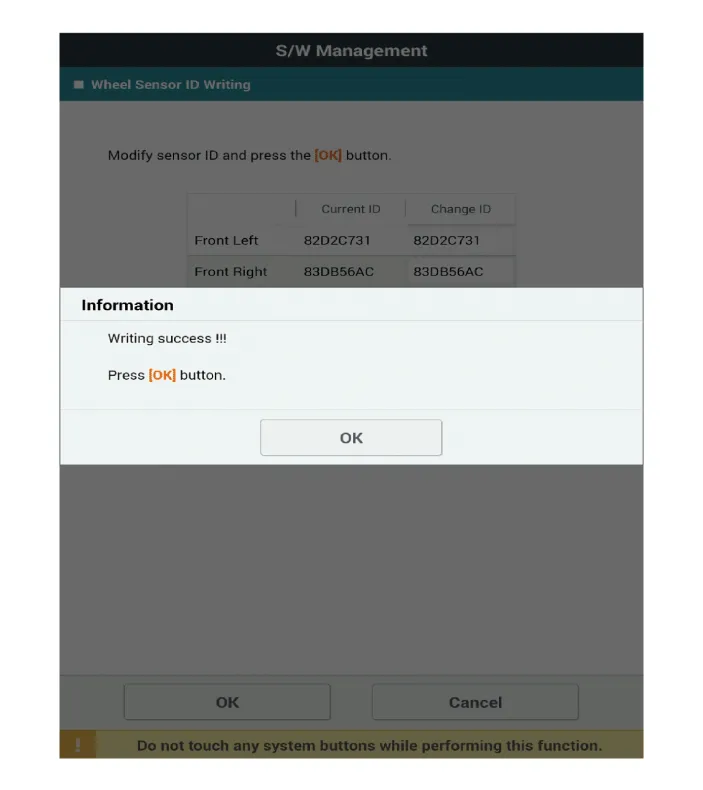
Description and operation Description 1. General description WU is a sensor placed in the tire that reports pressure and temperature.
Categories
- Manuals Home
- Hyundai Palisade Owners Manual
- Hyundai Palisade Service Manual
- Engine Electrical System
- Components and components location
- Lift and Support Points
- New on site
- Most important about car

Copyright © 2026 www.hpalisadelx.com - 0.0144